
The future of festivals
The Mall Tavern pub sits at a busy junction in Notting Hill, and on a Friday evening in late February, it had a queue of drinkers around the building waiting for the doors to reopen at 5pm for the pub’s annual two-day Liquid Dreams beer festival.
Each member of the queue was personally welcomed into the Victorian pub by the husband-and-wife team, Nati and Andy Perritt, who have been running it for almost 20 years and host the festival because they love their beer and want to support independent breweries. They always have 20-plus lines on their bar, and for the festival weekend, this number increases to 100 beers from 50 breweries that are showcased on temporary bars rigged up in the pub’s basement, upstairs room and compact garden.
The array of beers, sourced from around the globe, was exceptional, but what also made the event such a great experience was the knowledgeable people behind the bars – and most notably, the customers at the festival, who took the lead from the owners and contributed to a wonderfully friendly and convivial event.
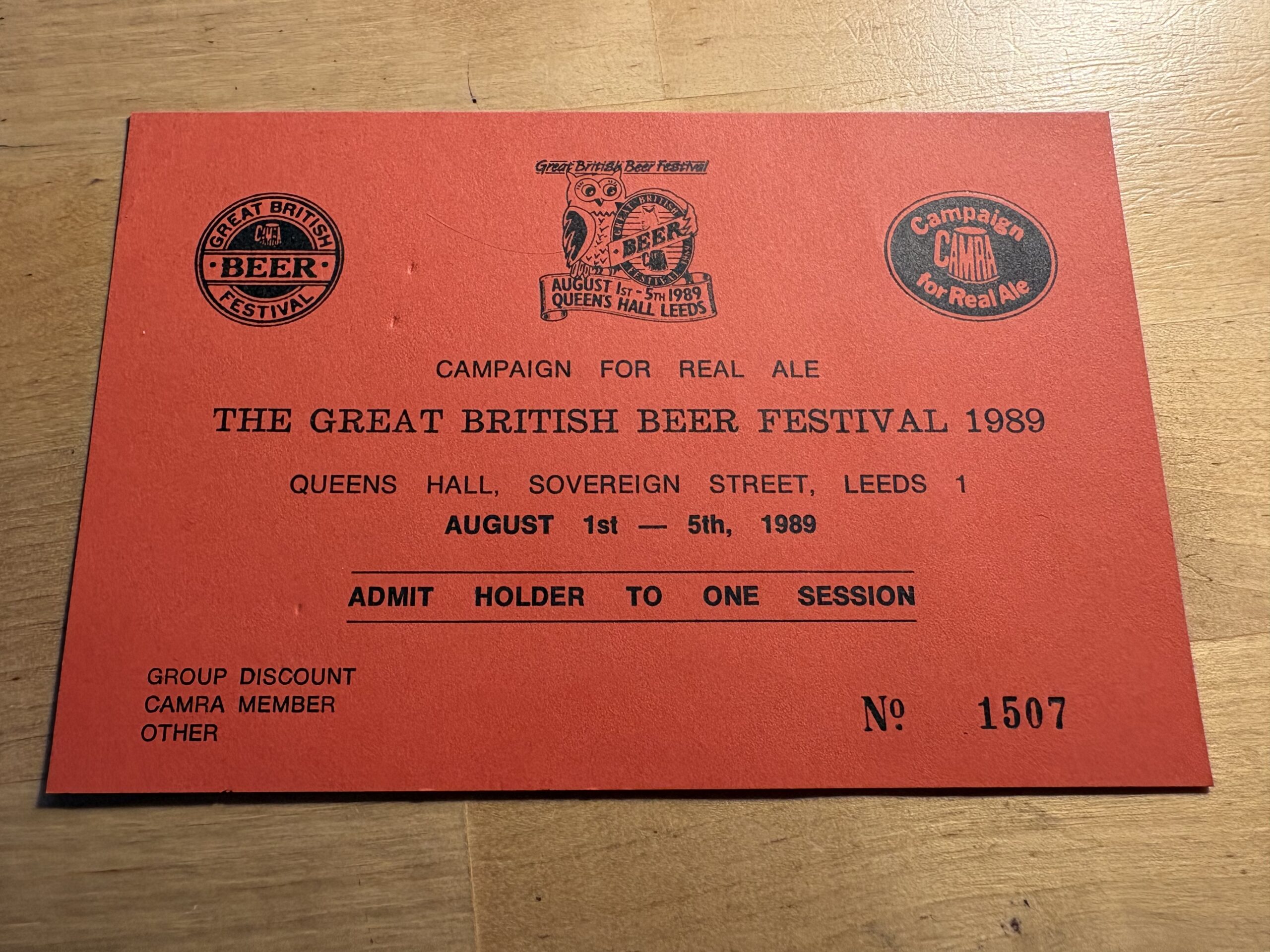
It had some of the elements of regular beer festivals that I used to enjoy (mainly good beer), but on a scale that made it much more approachable than the typical affairs held in some cavernous shed or tent with the result that they are invariably cold or hot and, most critically, impersonal. My experience with festivals goes back to an unexpected visit to CAMRA’s Great British Beer Festival (GBBF) in the first week of August in 1989, at the Queen’s Hall in Leeds, when I just happened to be in the city for a family day out.
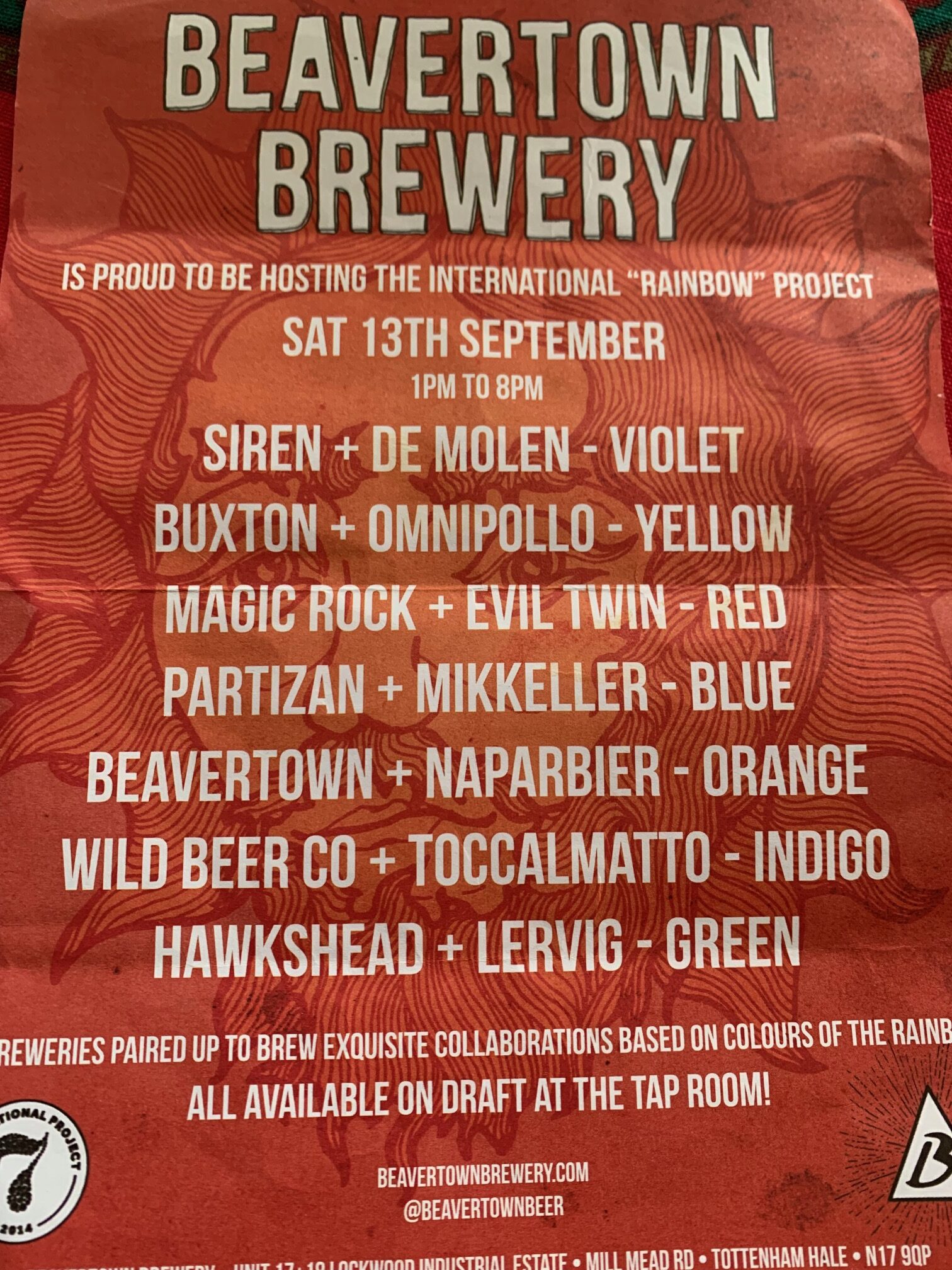
My mother and aunt weren’t too keen on spending more than an hour in there. But not to worry, because many more GBBF visits followed – in Brighton, and predominantly in London (at Earl’s Court and then Olympia). And I’ve ventured to many other smaller regional CAMRA festivals and independent ventures, including London Craft Beer Festival, Brew//LDN, Cloudwater & Friends, various festivals at Beavertown Brewery (including the wonderful Rainbow Project events) and a couple of overseas jaunts to Mikkeller Beer Celebration Copenhagen.
I’ve had some great times at these events over the years, but the steam seems to have gone out of me and them recently. And it’s not just me it seems, as other people have also lost a bit of interest in festivals. And the business model is under pressure from rising rentals on space to house them. The well-liked IndyManBeerCon festival in Manchester did ten years before calling it a day in 2024, and the recent news that Brew//LDN has been combined this year with the bigger London Wine Fair at Olympia appears to be a retrograde step.
The biggest question mark over the future of beer festivals at scale came with the announcement late last year that GBBF has been cancelled for 2026. The move to Birmingham NEC in 2025 was questionable to begin with, because having a festival in a shed in a city centre-ish location is one thing, but putting it in a shed among many other large sheds outside a city centre was maybe not the best idea. The upshot was a setback of such scale – seriously lower-than-expected numbers of visitors led to a loss of £320,000 – that it places the return of GBBF in great doubt.
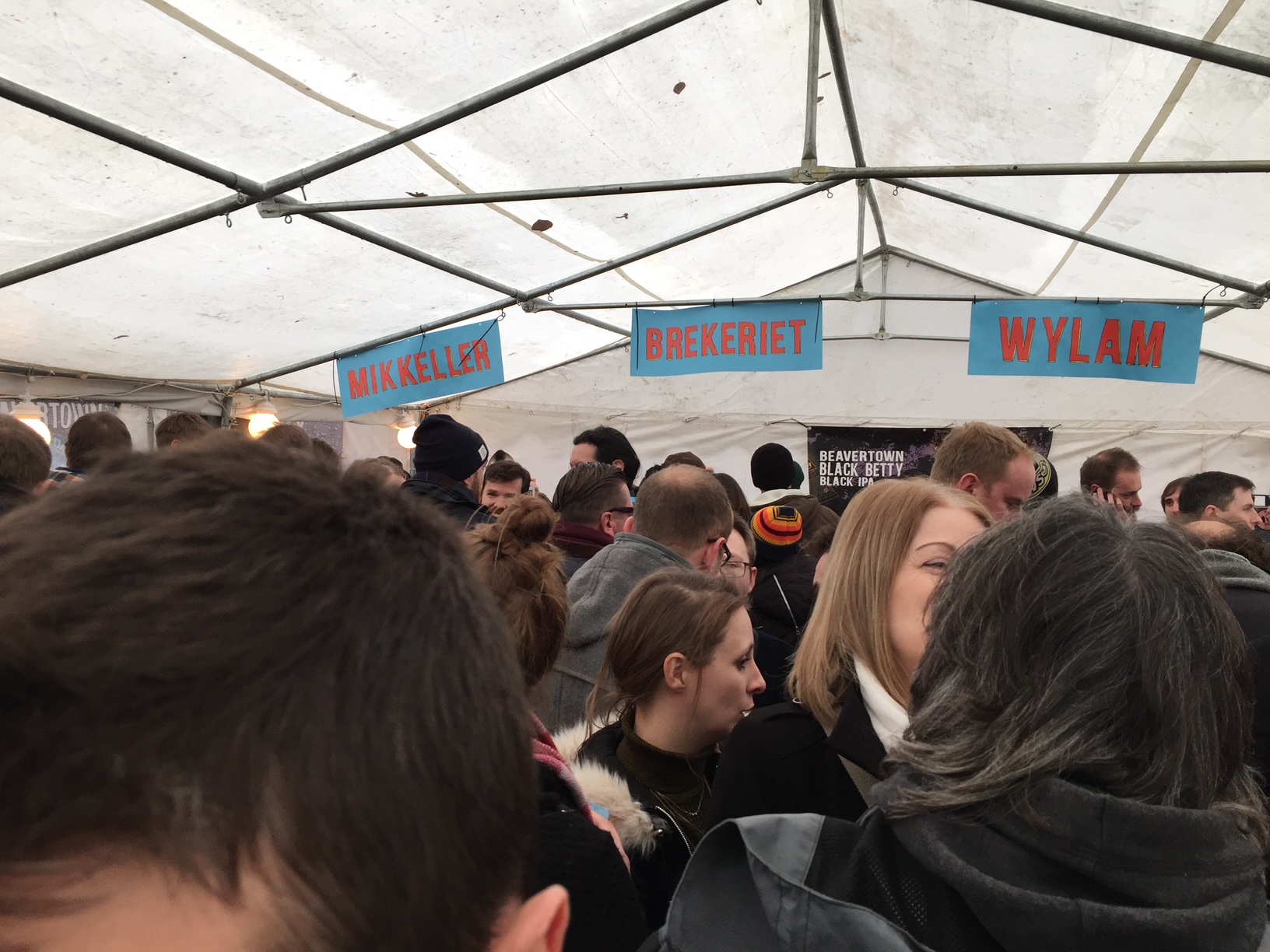
There are still many popular festivals, with the move to more personal, intimately sized affairs being the direction of travel, where the actual venue plays an important role and it is not just about the beer. For instance, Wandsworth Beer Festival at Le Gothique continues to pull people in, and the annual Hop City festival will run again in May at the original home of Northern Monk Brew Co. in Leeds. CAMRA also continues to operate many smaller events around the country in interesting buildings.
The ideal home for a festival is surely the pub though. Who can think of a better synergistic creation? This is why many pubs host seasonal festivals, but for some exceptional pubs, such events are integral to their operations. Among them is the continually award-winning The Hope in Carshalton, which hosts a beer festival every month.
There is surely a great opportunity for more pubs to follow the lead of The Hope and The Mall Tavern in making the effort to host beer festivals – even if only on a small scale – and attract some new customers who have lost a bit interest in drinking in featureless sheds but still seek out interesting beers.
Glynn Davis, editor, Beer Insider
This piece was originally published on Propel Info where Glynn Davis writes a regular Friday opinion piece. Beer Insider would like to thank Propel for allowing the reproduction of this column.