
Learning to love cask
During various visits to The Wild Swan in Fetter Lane, on the edge of the City of London, I’ve experienced a very popular pub with numerous drinkers enjoying the freshly poured cask beer on offer. Many have been attracted to the venue specifically to sample the real ale, predominantly from the well-regarded Thornbridge Brewery.
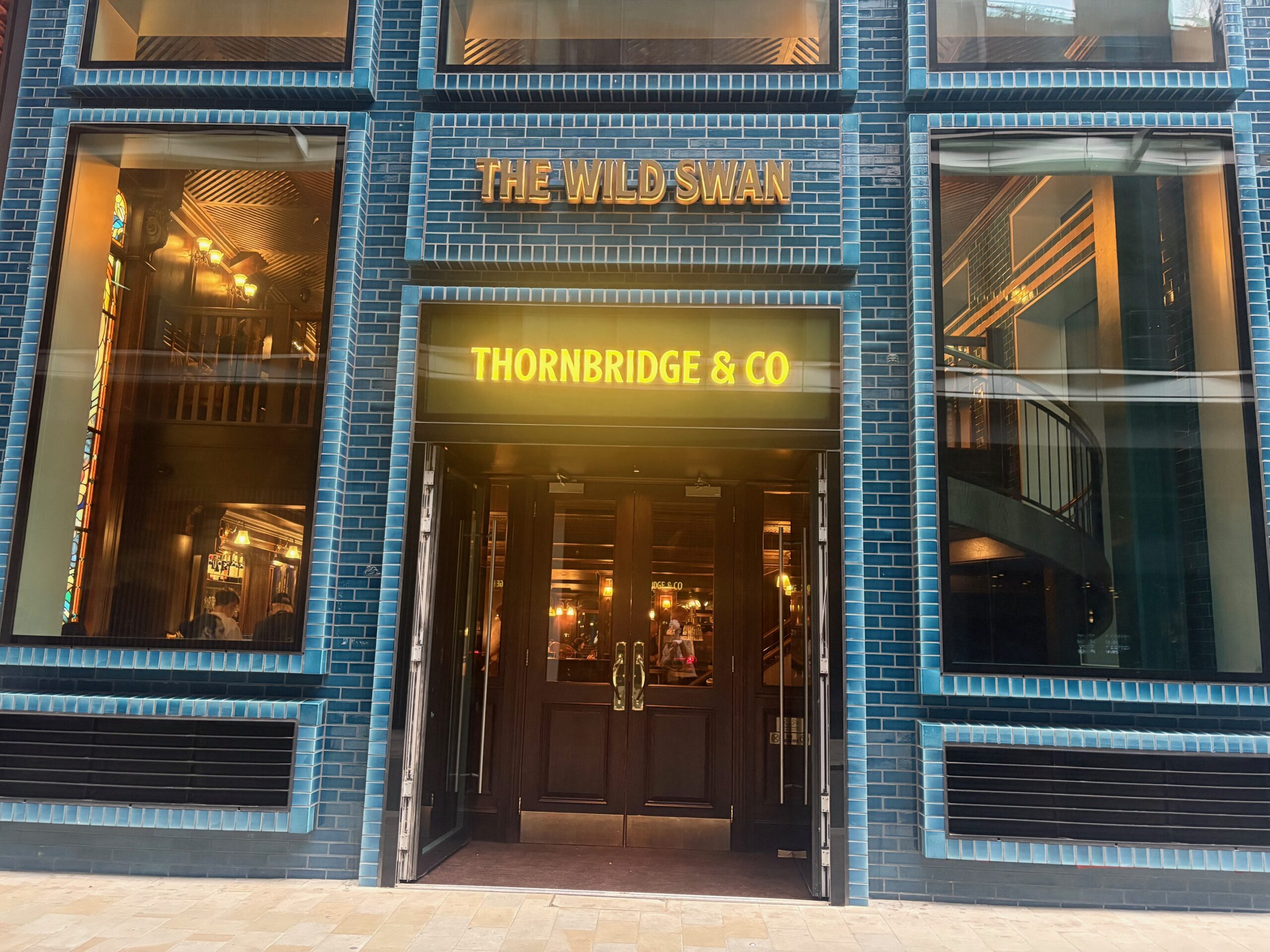
The pub is operated by Thornbridge & Co, a joint-venture between the Derbyshire-based brewery and Pivovar – which runs a collection of its own award-winning wet-led pubs in Yorkshire. Despite the success of the three other joint-venture pubs the partners run in Sheffield, Birmingham and York, they had been concerned their cask ale would not be embraced as well in London as it has been in the Midlands and up north.
Sitting down for a few beers with Jamie Hawksworth, co-founder of Pivovar, and Simon Webster, managing director of Thornbridge, in the buzzing The Wild Swan three weeks after opening, they made it clear that even while they were spending £1.4m on the fit-out of the site, they still continued to harbour serious doubts about whether the London venture was a good idea because the capital is not really a cask ale city.
Although it produces and sells plenty of keg beer, the heart of Thornbridge Brewery is undoubtedly powered by cask, and its pubs has a heavy focus on such beer. Highlighting their concerns is the fact it put in only six hand-pulls versus the ten installed at its other pubs, because it calculated cask would account for no more than 10% of wet sales at The Wild Swan.
Cut to now and things haven’t panned out this way at all, and the duo have hit the 25% mark and are now concerned the existing cellar could struggle with the unexpected throughput of cask ale. This represents an issue, because Thornbridge & Co is meticulous about the handling, care and service of its cask ale that requires much more hands-on attention than the bullet-proof keg beer.
What sales at The Wild Swan have proven is that cask beer does have appeal to pub-goers when it is served in its optimum condition – even in London. Needless to say, the Thornbridge & Co cellars are immaculately kept in order to deliver beer in the best condition for customers.
To anyone not aware of some of the basic rules, they are as follows. Cask should not be served at a warm temperature (ideally 11-13 degrees Celsius), it should not be stored poorly in dirty cellars, and it should not be served before it has settled in the barrel, nor when it is out of date. It is a widespread failure to adhere to these requirements that has undoubtedly contributed to the dire situation of poor cask ale sales not just in London, but across the country.
The magnitude of the issue was again laid bare in the recently published Society of Independent Brewers and Associates (SIBA) Independent Beer Report 2026, which found only 27% of beer drinkers are drinking cask ale compared with 35% last year. Among 18 to 24-year-olds, it is a shocking 11% that drink it versus 25% last year.
SIBA found there are some aspects that would tempt these non-cask drinkers into the category, with 18% of people it surveyed saying they don’t know much about it, while 12% state they rarely see it and 41% said a free sample could pull them in to try it. These are clearly all easily actionable by the pub sector, but the biggest obstacle to them committing to push cask is that they ultimately have to really care about it.
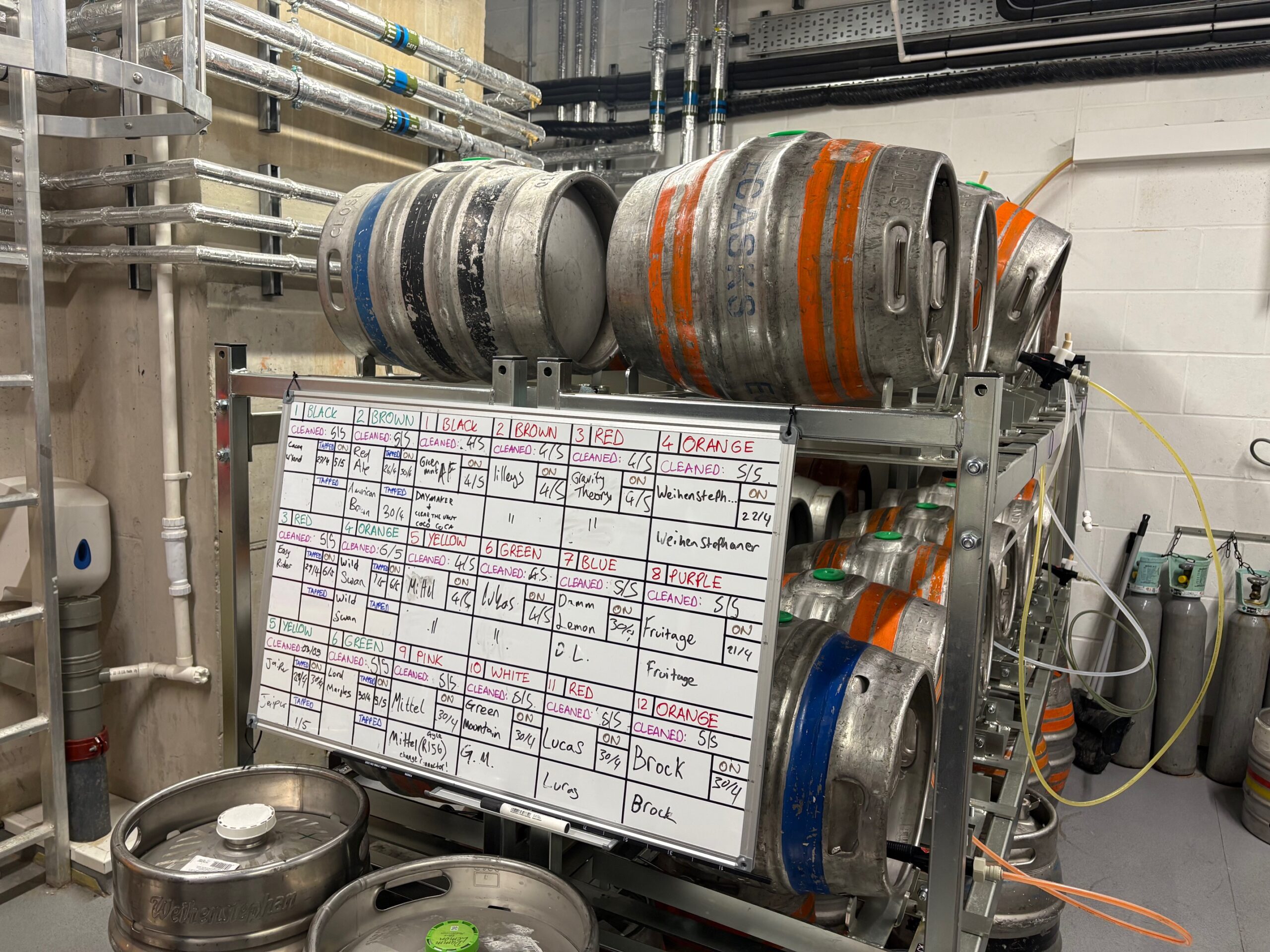
It takes more effort to look after cask. It needs education of the teams on the front-line about how to handle and serve it, and after all that extra effort, it is invariably sold at a lower cost than keg. It is therefore only those pub owners and landlords that love cask and its idiosyncratic characteristics who embrace it.
They recognise it as a truly craft product with its provenance, unique attributes and the role it plays as part of the national identity. This is something that tourists certainly recognise when they visit a pub during their holidays in the UK.
Along with cask exemplar JD Wetherspoon, the true advocates for cask are independent pub operators – including Thornbridge & Co and the other brewery-owned pub estates across the country. Let’s be clear, they are not selling it to simply preserve a traditional product. Their commercial commitment is because they genuinely see it as differentiating their offer from the mainstream pack, and this is making financial sense to them. It would be good to see other pub operators come to the same conclusions and learn to love cask.
Glynn Davis, editor, Beer Insider
This piece was originally published on Propel Info where Glynn Davis writes a regular Friday opinion piece. Beer Insider would like to thank Propel for allowing the reproduction of this column.