Child’s play
When visiting the hybrid bar/shop Indiebeer in Holloway Road in north London early one Saturday evening before Christmas with my 18-year-old daughter, we had to navigate around various prams and buggies as a large group celebrated a young child’s birthday.
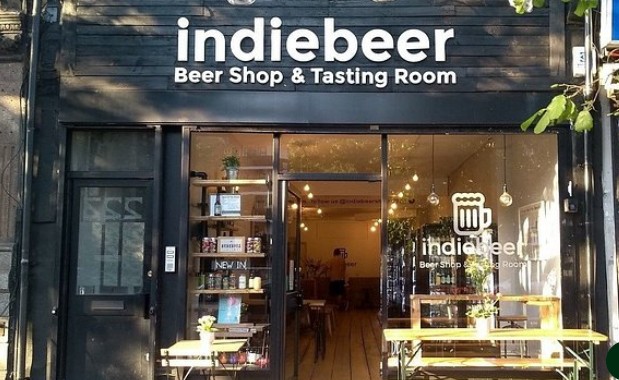
My overriding response was that it was good to see the independent venue run by a hard-working couple who provide a warm welcome and great beer knowledge doing decent business at 4.30pm. Moving on to The Lamb pub along the same road, the time had ticked by and there were maybe a couple of youngsters in the pub with their parents, who soon departed as the place filled up with an older clientele.
I’ve been taking my children to venues like these since they were very young, and I hope this has imparted something of a love of pubs – and hospitality in general – in them. It was always disheartening to be denied access to certain venues when they were growing up. I always took it very personally, and it felt like a detrimental step to encouraging the next generation of customers.
My memory of taking my children into pubs was rekindled recently when reading about the William the Fourth pub in Leyton, which had banned children from 7pm onwards. There had been reports from customers that it resembled a crèche at times. I can understand such concerns, but when rigid rules are brought in it can be complicated to police – what age is a child? What if you are mid-meal at 7pm etcetera?
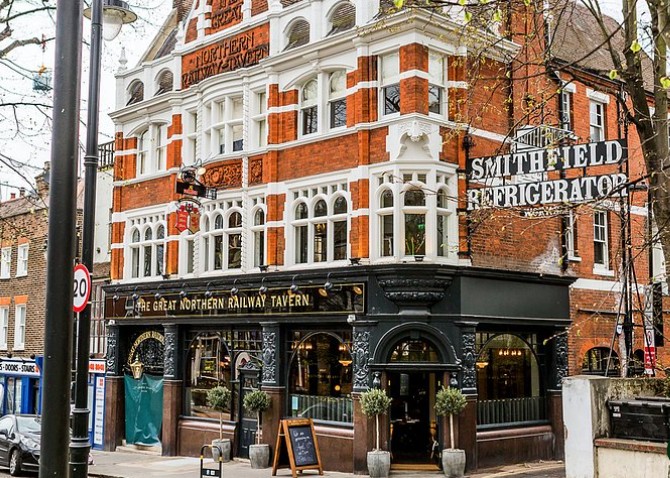
As my experience at The Lamb showed, the reality is that families with children invariably leave at an early hour anyway. Take my two locals, The Salisbury Hotel in Green Lanes and The Great Northern Railway Tavern. For a couple of hours in the early evenings, they tend to be magnets for young families, but when it gets beyond 7pm, they sort of evaporate and make way for the next batch of customers.
Thankfully, the operators of these pubs (Remarkable Pubs and Fuller’s) do not employ hard rules on who they let into these venues, and they are so much the better for it. The inclusivity and diversity of the pub is one of its unique characteristics, and I continue to fully support those establishments that are open to all comers.
Not letting children into pubs after 7pm is one thing, but banning solo (adult) people into a venue after 9pm is another thing entirely. I was certainly not the only person to be taken aback by reports of Alibi bar in Manchester implementing just such a door policy.
Apparently, solo visitors to this cocktail bar invariably annoy other customers by “mithering” them, according to the bar owner, and because they are on their own, there is nobody to look after them should they be involved in an accident or other incident. There seems to be some sort of transfer of responsibility for its customers from the bar’s owner to the actual customers!
As a frequent solo drinker, this rings so many alarm bells. If we get to the stage where people on their own are denied access to hospitality venues, then we are heading in a very bad direction. This is particularly dire in light of the increasing issue of loneliness. Two-thirds of people see pubs as vital in the fight against isolation, according to a survey undertaken by the British Beer & Pub Association, so to deny people access to spending time with others is a travesty.
There is also the financial impact of businesses being discriminatory. Consider that there are more than eight million families with dependent children in the UK, according to the Office for National Statistics. This a powerful spending group right now, and it also includes the customers of the future.
And there is also a marked increase in solo activity within hospitality, especially in the US, where the third quarter of 2025 saw a 22% jump in solo dining reservations, based on research from Toast. This is very much reflected in the longer-term trend at Yum! Brands, which has found solo orders are up from 31% in 2021 to 47% in 2025.
There are undoubtedly profound behavioural shifts taking place across society that are impacting the hospitality industry and through which businesses must carefully navigate a route. But whatever actions organisations choose to take, I’d be surprised if the right ones involve discrimination.
Glynn Davis, editor, Beer Insider
This piece was originally published on Propel Info where Glynn Davis writes a regular Friday opinion piece. Beer Insider would like to thank Propel for allowing the reproduction of this column.